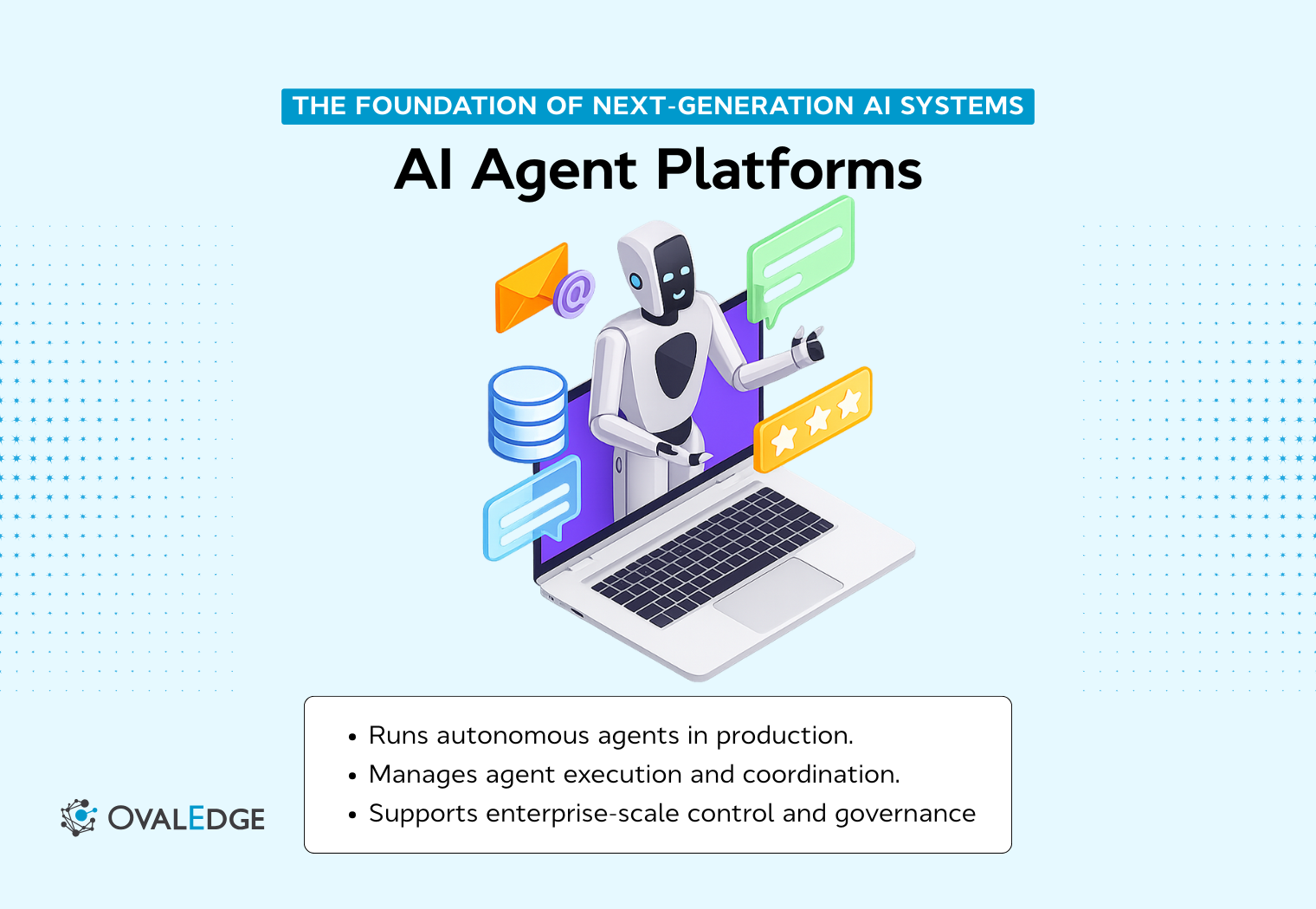
As teams move from isolated AI tools to autonomous agents, things get complicated quickly. A chatbot answering questions is manageable. An agent that runs a full workflow, pulling data, making decisions, updating systems, and coordinating with other agents, is a very different challenge.
This is where many enterprises get stuck. Workflows become fragile, agents fail when they lack the right context, and leaders struggle to understand what the agent did or why it acted a certain way. Scaling makes it worse, especially when multiple agents must work together across systems.
Data backs this up.
BCG's 2024 Where’s the Value in AI report found that 74% of companies struggle to achieve and scale value from AI, largely due to operational and execution challenges rather than model quality.
An AI agent platform helps close this gap by providing the runtime, orchestration, and control needed to run agents reliably in production.
What is an AI agent platform?
An AI agent platform provides the infrastructure to build, run, and manage autonomous agents that can reason, act, and operate continuously in production environments.
Core definition of an AI agent platform
An agent is software that pursues a goal across multiple steps and often across multiple systems. The platform layer provides the reliability, governance, and controls that keep the agent dependable when it operates without direct supervision.
A proper AI agent development platform typically manages how an agent executes, how it plans actions, how it retains memory across interactions, and how it coordinates with tools and other agents. In other words, it supports the full lifecycle of running agents reliably, not just assembling prompts and model calls.
This matters because enterprises are pushing toward more agentic operating models, where humans and agents collaborate across workflows, not just within isolated tasks.
Key components of an AI agent platform
Most platforms converge on a similar backbone:
-
Agent runtime environment: Executes decisions and actions consistently.
-
Reasoning or planning engine: Selects steps, evaluates outcomes, and adapts.
-
Memory persistence: Agents can maintain context across sessions and tasks.
-
Tool integration layer: It connects data, APIs, and enterprise systems safely.
-
Workflow orchestration and monitoring: It controls behavior, approvals, and visibility into what happened. Observability is becoming a standard expectation for agent deployments.
If your setup lacks one of these, you usually feel it in production as silent failures, unpredictable behavior, or a “black box” nobody trusts.
Difference between AI agent platforms and traditional AI frameworks
Traditional AI frameworks are built for calling models and returning outputs. Ai agent platforms are designed for running autonomous agents that plan, act, and operate continuously in real workflows.
The table below highlights how these two approaches differ when AI moves from isolated use cases into autonomous, production-grade workflows.
|
Aspect |
Traditional AI frameworks |
AI agent platforms |
|
Primary focus |
Model invocation and prompt execution |
Continuous agent execution and goal completion |
|
Execution style |
Stateless or short-lived requests |
Long-running, stateful agents |
|
Context handling |
Limited to input prompts or sessions |
Persistent memory across interactions and tasks |
|
Workflow support |
Linear or predefined pipelines |
Dynamic, multi-step, adaptive workflows |
|
Orchestration |
Minimal or external |
Built-in agent and multi-agent orchestration |
|
Tool integration |
Manual or custom-coded |
Native tool and API integration layers |
|
Observability |
Basic logs and outputs |
Monitoring, tracing, and behavior visibility |
|
Governance and control |
Often outside the framework |
Integrated access control, auditability, and safeguards |
|
Scalability |
Scales model calls |
Scales agent behavior and coordination |
|
Production readiness |
Suitable for experiments and features |
Designed for enterprise production environments |
That separation is exactly why “agent washing” has become a real risk. Some tools look agentic in demos, but fall short on execution control and operational rigor once real workloads hit.
|
Do you know: A 2025 Gartner press release predicts that over 40 % of agentic AI projects will be scrapped by 2027, largely because teams deploy agent capabilities without the runtime, orchestration, and governance that an enterprise-grade platform provides. |
See it in action: From fragmented data to a complete churn analysis

The challenges described above are not theoretical. Finding the right data, verifying its quality, navigating access, and turning analysis into action — these are the real obstacles that slow down AI-driven workflows in practice.

The video below walks through a real-world customer churn analysis built entirely on OvalEdge. Watch how a business analyst uses the data catalog to discover and vet the right datasets, checks data quality scores and lineage before committing to them, requests access where it's restricted, and then moves into AskEdgi — OvalEdge's agentic analytics agent — to analyze churn history, predict future risk, get AI-generated recommendations, and even draft personalized outreach emails for high-risk customers. All in one governed, connected workflow.

This is what an enterprise-grade AI agent platform looks like when the data foundation is built right.
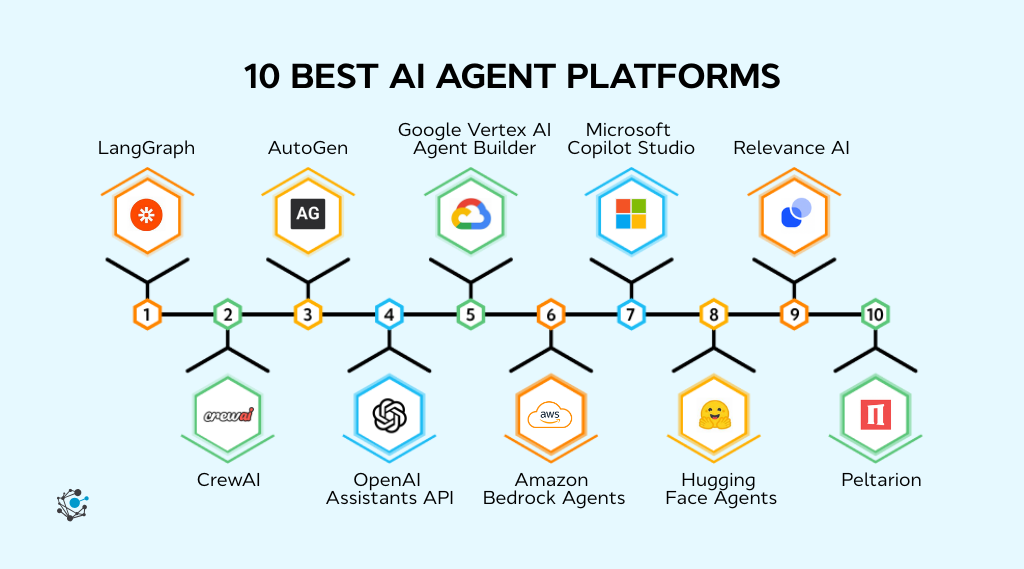
10 best AI agent platforms
AI agents are quickly moving from experiments to everyday tools. This list breaks down ten of the best AI agent platforms worth looking at today, based on real-world usability, flexibility, and how well they fit modern business needs.
1. LangGraph
LangGraph is a graph-based framework for building stateful, multi-step AI agents. It is designed for teams that need explicit control over how agents move through complex reasoning and decision flows.
Core function and positioning: LangGraph positions itself as a developer-first agent orchestration framework focused on controlling agent flows rather than providing a managed runtime.
Best features
-
Graph-based execution model: Enables explicit control over branching and looping workflows.
-
Explicit state management: Persists and inspects agent context across steps.
-
Deterministic control paths: Make agent behavior predictable and debuggable.
-
Composable agent nodes: Allows teams to reuse and combine agent logic across workflows.
-
Fine-grained execution control: Supports pausing, resuming, and redirecting agent flows during runtime.
|
Pros |
Cons |
|
|
Best fit: Engineering teams building custom, logic-heavy agent workflows.
2. CrewAI
CrewAI is a framework for coordinating multiple agents through defined roles and responsibilities, with a strong focus on collaboration.
Core function and positioning: CrewAI positions itself as a role-based multi-agent platform optimized for task delegation.
Best features
-
Role-based agent design: Agents are defined by responsibilities.
-
Task-oriented coordination: Workflows revolve around shared objectives.
-
Simple multi-agent setup: Low friction to get started.
-
Lightweight orchestration model: Keeps coordination logic easy to follow and modify.
-
Human-readable agent definitions: Improves accessibility for non-specialist teams.
|
Pros |
Cons |
|
|
Best fit: Teams experimenting with collaborative agent workflows.
3. AutoGen
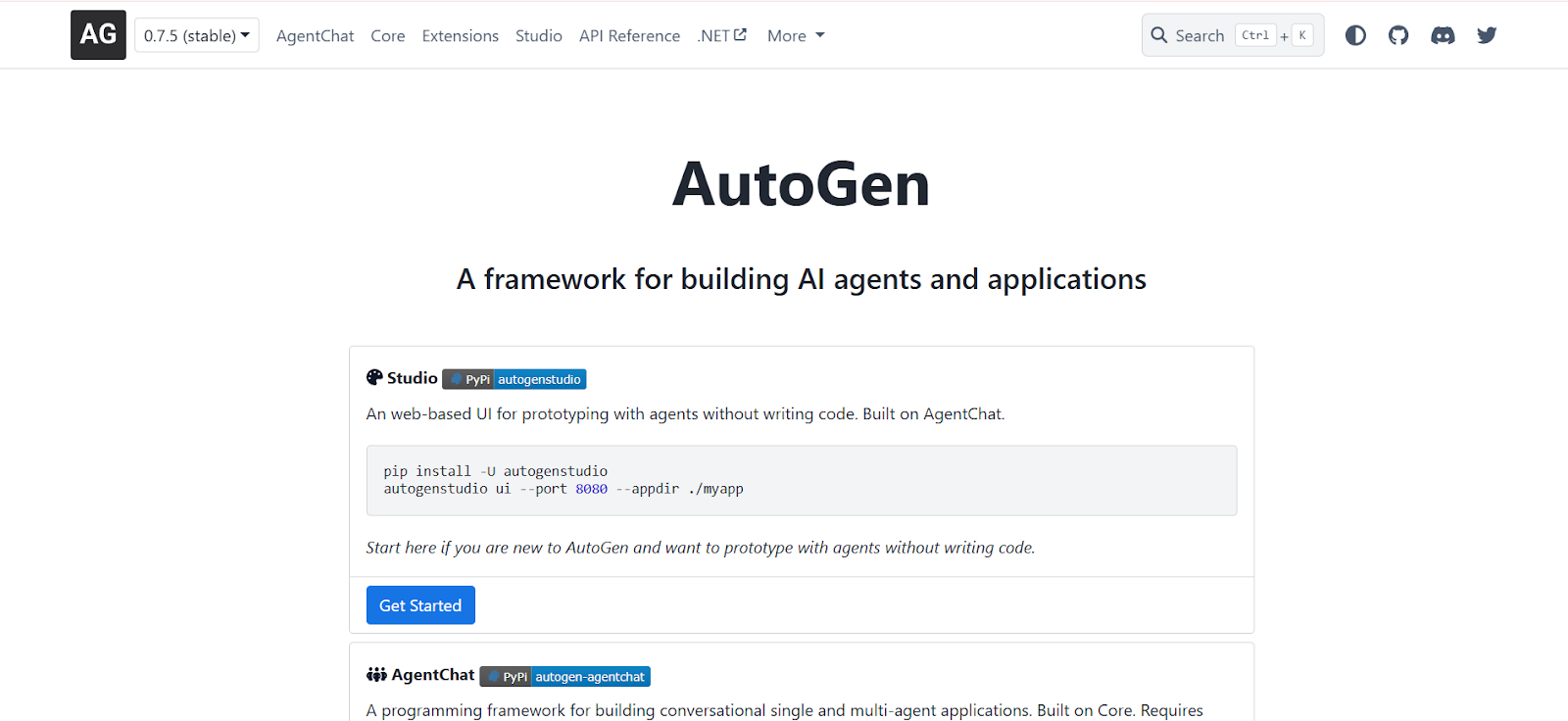
AutoGen is a framework designed for agent-to-agent communication and flexible interaction patterns, originating from research environments.
Core function and positioning: AutoGen is positioned as a flexible communication layer for multi-agent systems.
Best features
-
Agent-to-agent messaging: Supports dynamic conversations between agents.
-
Flexible agent definitions: Enable varied behaviors and roles.
-
Open-ended coordination patterns: Encourage experimentation.
-
Conversation-driven workflows: Use dialogue as the primary coordination mechanism.
-
Research-friendly extensibility: Adapts easily to new experimental agent patterns.
|
Pros |
Cons |
|
|
Best fit: Research teams and advanced prototyping environments.
4. OpenAI Assistants API
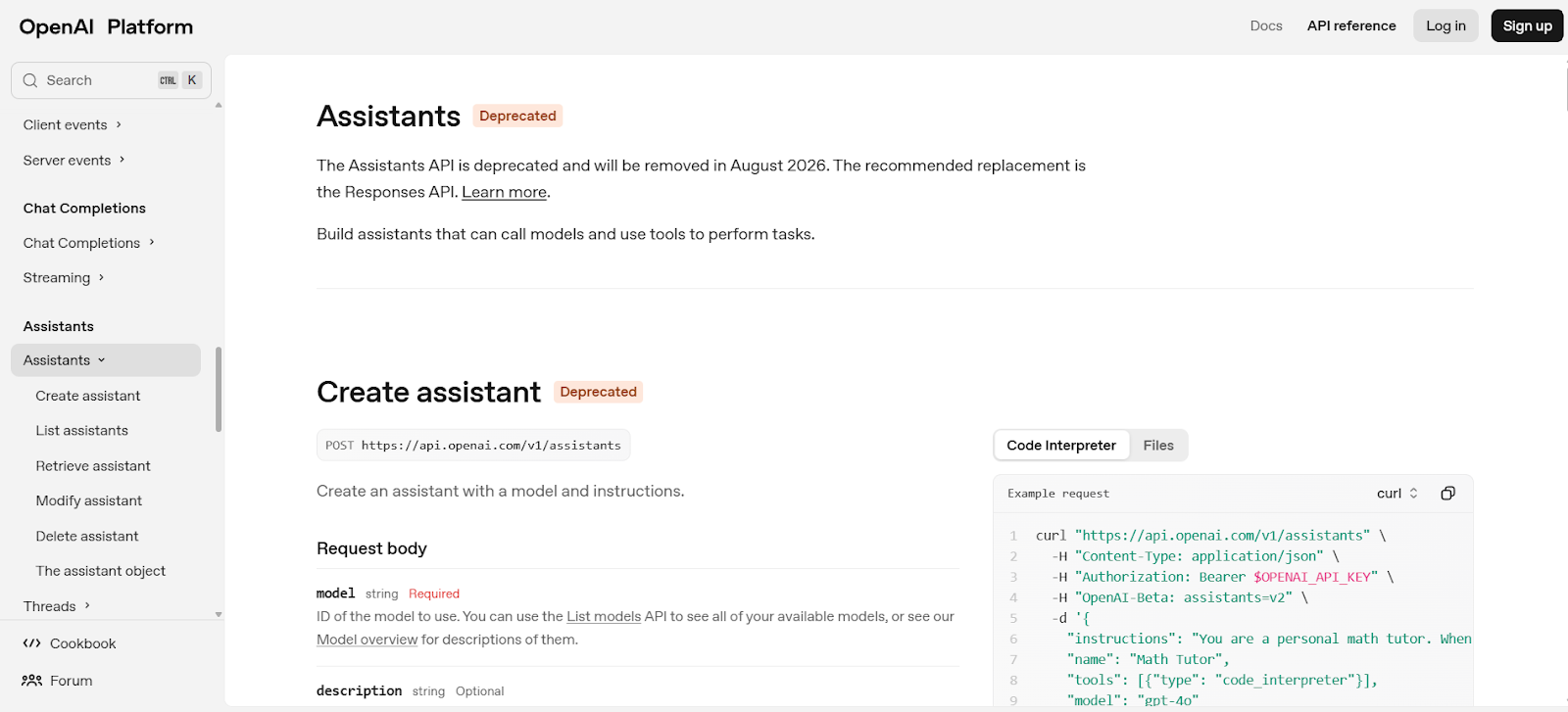
The OpenAI Assistants API provides a hosted way to build task-oriented agents with managed execution and tool calling.
Core function and positioning: Positioned as a managed execution layer focused on simplicity and speed.
Best features
-
Managed runtime: Execution and scaling handled automatically.
-
Built-in tool calling: Simplifies integrations.
-
Persistent conversation threads: Maintains context across interactions.
-
Native model integration: Works seamlessly with OpenAI models.
-
Simplified agent lifecycle: Reduces operational complexity for deployment and updates.
|
Pros |
Cons |
|
|
Best fit: Teams prioritizing speed to production over orchestration depth.
5. Google Vertex AI Agent Builder
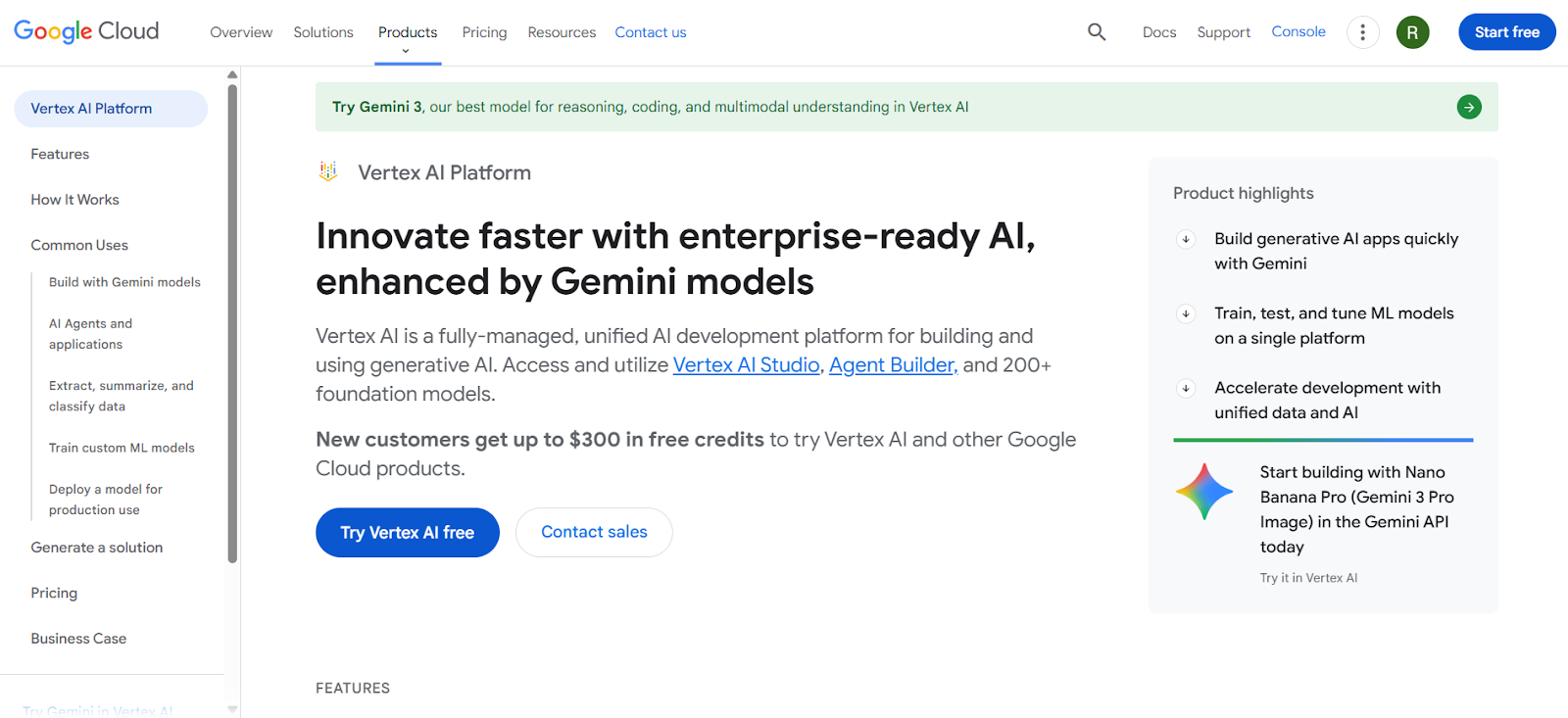
Vertex AI Agent Builder is a cloud-native service for building and deploying AI agents within Google Cloud.
Core function and positioning: Positioned as an enterprise ai agent platform with scalability and governance in mind.
Best features
-
Cloud-native deployment: Built for production workloads.
-
Enterprise security controls: Supports compliance requirements.
-
Deep data integration: Works seamlessly with Google data services.
-
Managed agent lifecycle: Supports development, testing, and deployment stages.
-
Scalable orchestration infrastructure: Handles growing agent workloads reliably.
|
Pros |
Cons |
|
|
Best fit: Enterprises standardized on Google Cloud.
6. Amazon Bedrock Agents
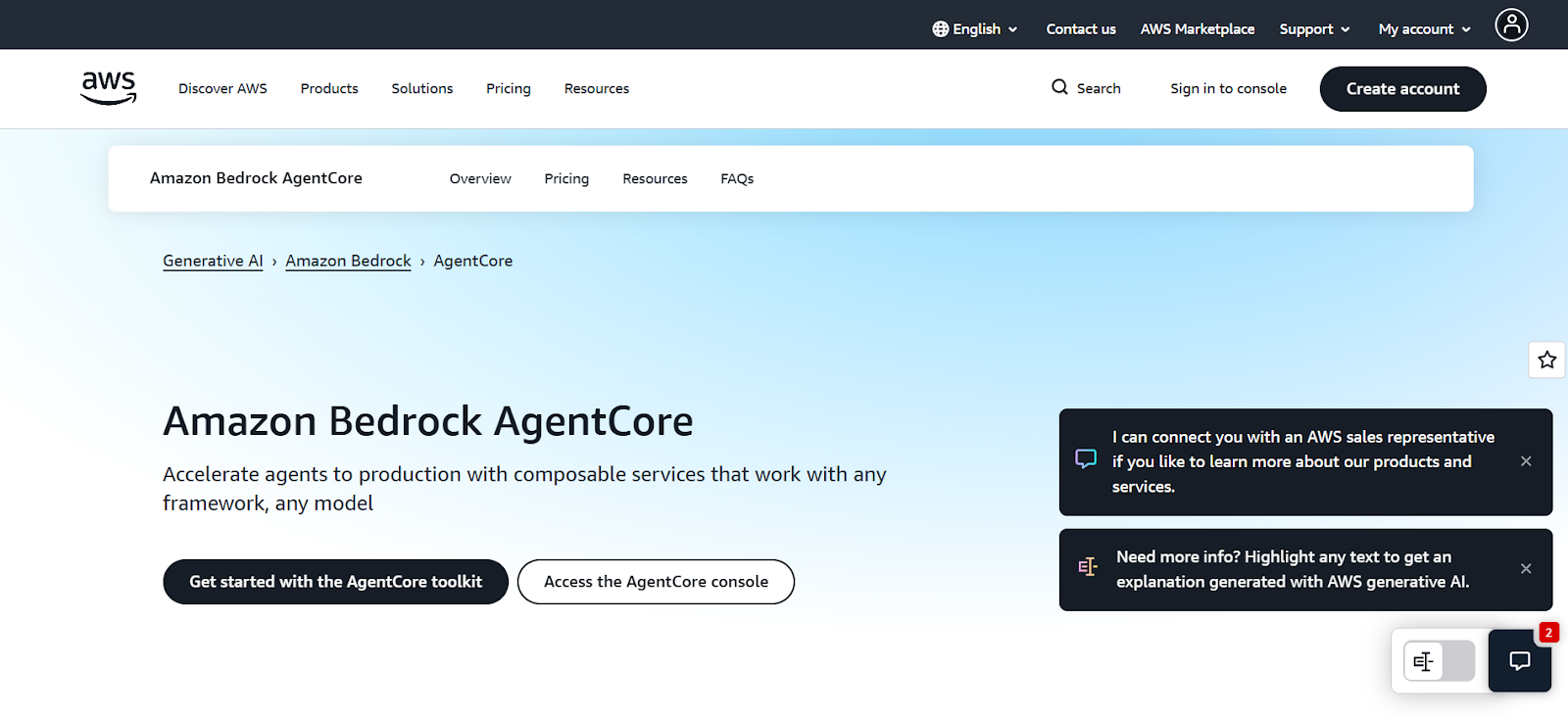
Amazon Bedrock Agents provides AWS-managed agent orchestration tightly integrated with AWS services.
Core function and positioning: Positioned as an enterprise-grade ai agent orchestration platform for AWS environments.
Best features
-
Managed agent execution: Simplifies deployment and scaling.
-
Native AWS integrations: Connects directly to AWS services.
-
Enterprise security alignment: Uses AWS compliance controls.
-
Configurable orchestration flows: Supports multi-step task execution.
-
Operational monitoring support: Integrates with AWS observability tools.
|
Pros |
Cons |
|
|
Best fit: Large enterprises operating primarily on AWS.
7. Microsoft Copilot Studio
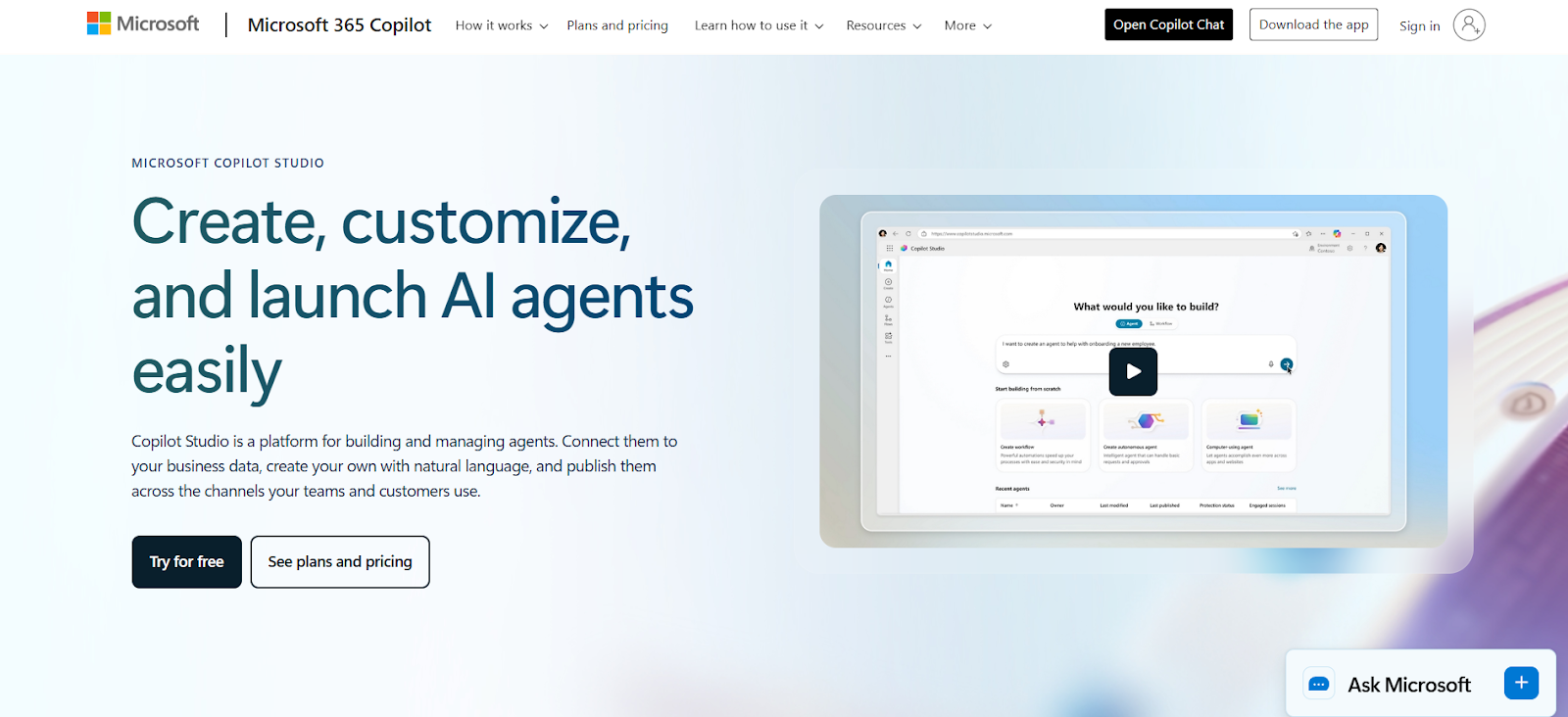
Copilot Studio is a low-code platform for building conversational and workflow-based AI agents.
Core function and positioning: Positioned as a business-friendly platform for creating internal agents.
Best features
-
Low-code interface: Enables non-developers to build agents.
-
Microsoft ecosystem integration: Works with Microsoft tools and data.
-
Built-in governance controls: Supports enterprise oversight.
-
Prebuilt conversational templates: Speed up common copilot use cases.
-
Workflow-based agent design: Aligns agents with business processes.
|
Pros |
Cons |
|
|
Best fit: Business teams building internal copilots.
8. Hugging Face Agents
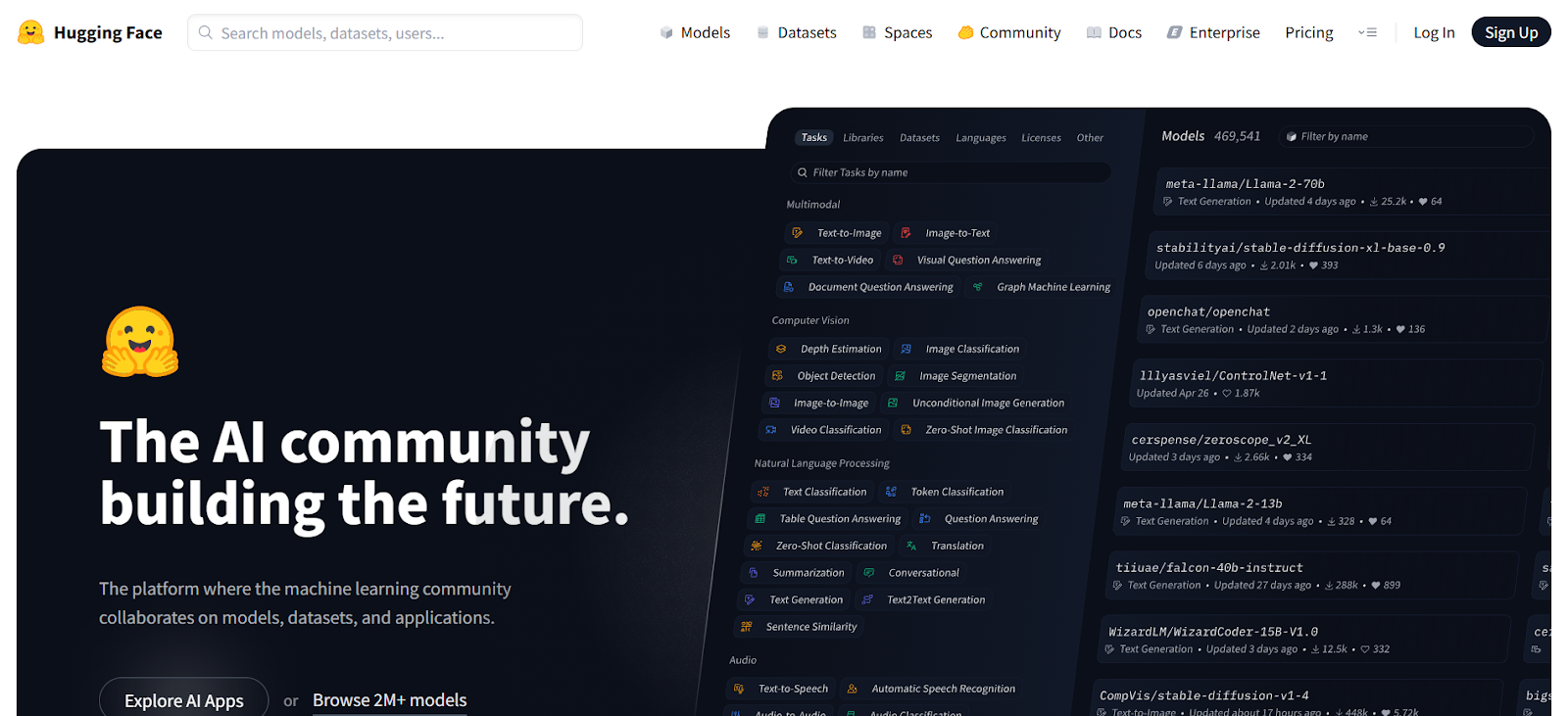
Hugging Face Agents provide open-source tooling for building agents around a wide range of models.
Core function and positioning: Positioned as an open and extensible agent framework.
Best features
-
Open-source tooling: Full transparency and customization.
-
Broad model support: Works across providers.
-
Strong community ecosystem: Rapid innovation and shared learning.
-
Tool-using agent framework: Enables agents to interact with external systems.
-
Model-agnostic architecture: Supports experimentation without vendor lock-in.
|
Pros |
Cons |
|
|
Best fit: Teams prioritizing open-source and customization.
9. Relevance AI
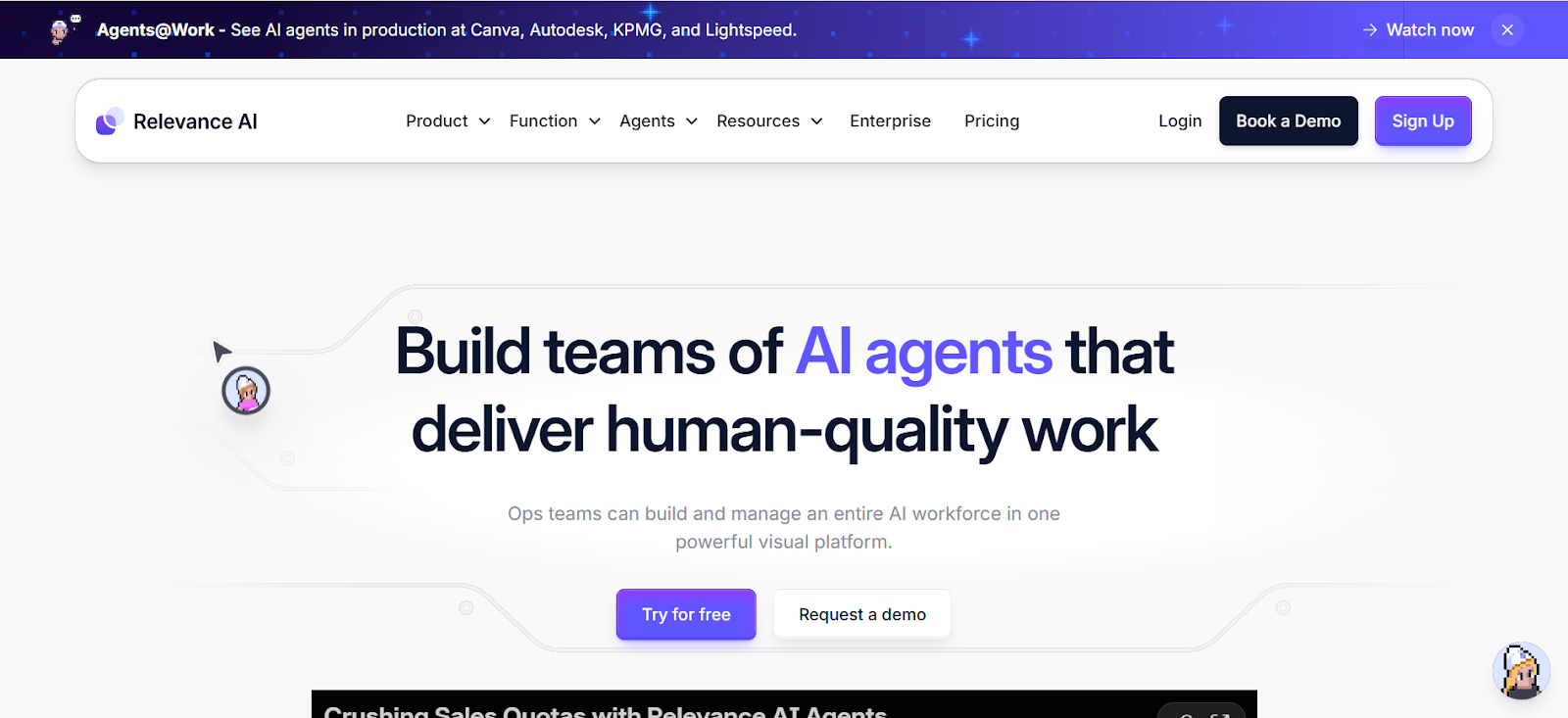
Relevance AI focuses on building operational agents for business workflows with built-in integrations.
Core function and positioning: Positioned as a business operations-focused agent platform.
Best features
-
Workflow automation: Designed for repeatable tasks.
-
Built-in integrations: Connects to common tools.
-
Operational dashboards: Provides visibility into agent activity.
-
Event-triggered agents: Allows agents to respond to business signals.
-
Business-focused orchestration: Optimized for operational use cases.
|
Pros |
Cons |
|
|
Best fit: Teams automating repeatable business processes.
10. Peltarion
Peltarion is an enterprise AI development and deployment platform with a strong focus on governance and lifecycle control.
Core function and positioning: Positioned as a controlled environment for enterprise AI systems.
Best features
-
Model lifecycle management: Supports training through deployment.
-
Deployment controls: Ensures consistency across environments.
-
Enterprise governance support: Aligns with compliance needs.
-
Versioning and rollback capabilities: Helps manage controlled releases.
-
Secure operational environment: Supports enterprise-grade AI deployments.
|
Pros |
Cons |
|
|
Best fit: Enterprises prioritizing control, compliance, and stability.
How to choose the right AI agent platform
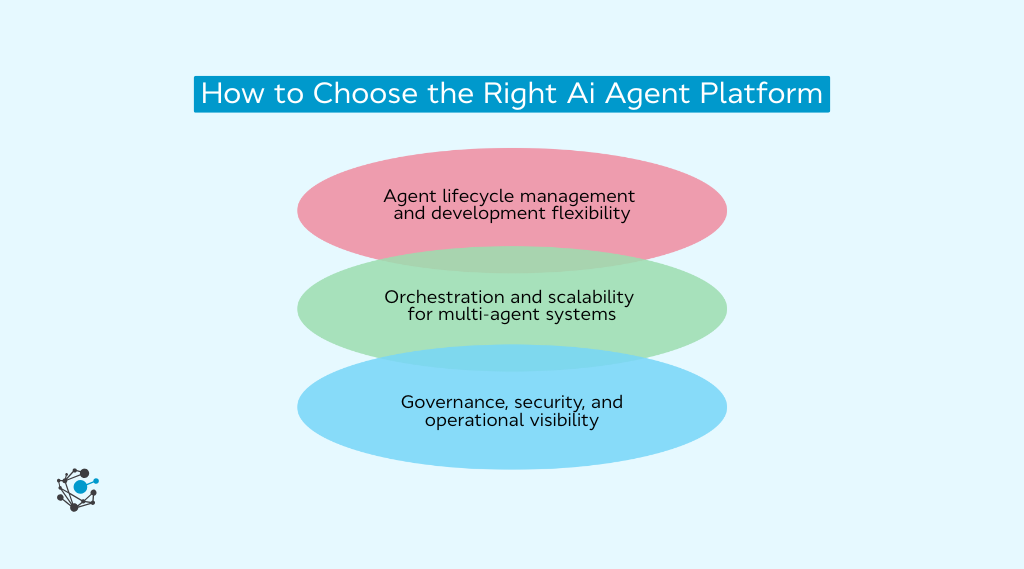
Choosing the right AI agent platform requires evaluating how well it supports agent execution, coordination, and control at scale, rather than focusing only on model access or ease of development.
Who must rely on the agent platform?
An AI agent platform is evaluated by multiple audiences. Each group interacts with agents in a different way and measures success using different criteria. Platforms that scale align trust, control, and usability across all of them.
-
Platform and engineering teams: Focus on system reliability, deployment safety, and runtime stability. They evaluate versioning, environment isolation, rollback support, and the ability to operate agents reliably in production without constant intervention.
-
Data and analytics teams: Focus on transparency and traceability. They need visibility into what data agents use, how decisions are formed, and how actions connect back to source systems, logic, and downstream impacts.
-
Business and operations teams: Focus on outcomes, risk management, and accountability. They care about predictable behavior, approval workflows for high-risk actions, policy enforcement, and clear ownership when agents affect business processes.
Orchestration and scalability for multi-agent systems
Multi-agent systems are gaining momentum fast, and the scaling problems are rarely theoretical. Coordination, shared context, dependency management, and failure containment become your day-to-day concerns.
Evaluate:
-
How agents share context and memory
-
How workflows handle dependencies and handoffs
-
What happens when the agent count and workload complexity increases
If orchestration is weak, you will see “success” in demos and chaos in operations.
Governance, security, and operational visibility
This is where enterprise projects often live or die. Governance is not paperwork; it is the mechanism that lets leaders trust the system.
Prioritize:
-
Monitoring and traceability of actions and outcomes
-
Access control and auditability
-
Decision trace paths back to data, logic, and tool calls
Governance research and industry guidance keep pointing to the same thing. Organizations need controls across the AI lifecycle, not just model selection.
|
Also read: AI Agents for Analytics: Enterprise Guide for 2026 for practical insights on how analytics teams are embedding autonomous agents into data workflows to drive faster, explainable decision-making. |
How OvalEdge supports enterprise AI agent platforms
OvalEdge supports enterprise AI agent platforms by providing governed data, metadata, and lineage that enable AI agents to operate with consistent context, traceable decisions, and operational trust at scale. As agents move into production workflows, this governed foundation becomes essential to reliability.
Providing a governed data foundation for agentic systems
Agents fail in predictable ways when data definitions are inconsistent. One system defines “active customer” one way, another defines it differently, and the agent confidently acts on the wrong assumption. These failures are rarely caused by models and are almost always caused by a fragmented data context.
A governed data catalog and standardized definitions reduce this risk by making trusted data assets discoverable and consistent across teams. OvalEdge focuses on unifying technical and business metadata so agents operate on shared, validated definitions.
| The Agentic Analytics whitepaper outlines how this governed data foundation becomes critical as organizations introduce autonomous agents into analytics and operational workflows. |
Enabling trusted agent decisions with metadata and lineage
When an agent makes a decision, leaders need to understand what data it relied on and how that data was derived. Metadata provides context for reasoning, while lineage enables traceability into data sources, transformations, and ownership.
OvalEdge highlights automated lineage capabilities that map data flows across systems, helping teams connect agent outcomes back to underlying data assets. This traceability supports explainability, auditability, and confidence in agent-driven decisions as usage scales.
Supporting scalable multi-agent orchestration with data context
Multi-agent environments break down when agents operate with conflicting or incomplete context. Without shared definitions, ownership, and lineage, coordination becomes fragile and error-prone.
Governed data and shared metadata reduce this risk by giving every agent a consistent view of enterprise data. As agent-driven workflows expand, this shared context becomes the difference between scalable coordination and operational drift.
Conclusion
An AI agent platform provides the runtime, orchestration, and control needed to move agents from experimentation into production. Without it, teams face brittle workflows, limited visibility, and scaling challenges that surface just as expectations rise.
When evaluating the best ai agent platforms, prioritize how well they handle real operational pressure. Look beyond demos and ask whether the platform supports lifecycle management, multi-agent coordination, and explainability at scale. Just as important, remember that agents are only as reliable as the data context they rely on.
This is where OvalEdge plays a critical role. By providing governed data, metadata, and lineage, OvalEdge helps enterprises build agent-driven systems that are trustworthy, explainable, and scalable.

If you are serious about deploying enterprise-grade AI agents, start by strengthening your data foundation with OvalEdge and book a demo to see how governed metadata and lineage can support reliable agent decisions at scale.
.png?width=1081&height=173&name=Forrester%201%20(1).png)
.png?width=1081&height=241&name=KC%20-%20Logo%201%20(1).png)